When a Social Media Giant Stops Evolving: What Marketers Can Learn From Orkut
Understanding why today's favorite platform could be tomorrow's forgotten network.
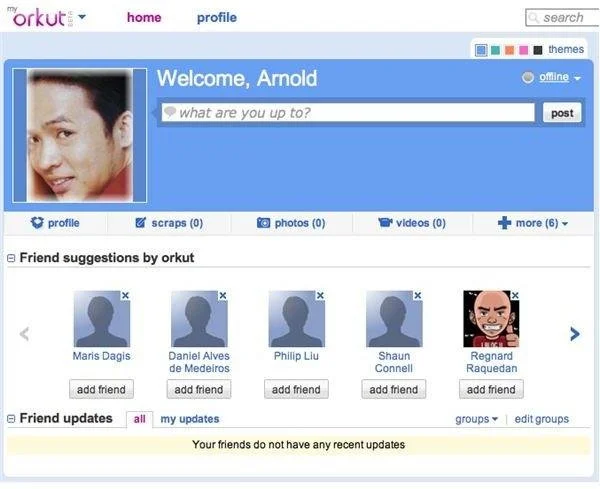
Image Source: https://commons.wikimedia.org/wiki/File:Orkut_logo.svg
When we think about social media today, platforms like Facebook, Instagram, TikTok, and LinkedIn immediately come to mind. However, before many of these platforms dominated the digital landscape, there was Orkut. Created in 2004 and owned by Google, Orkut became one of the most popular social networking sites in the world, especially in Brazil. At its peak, it had approximately 30 million users and remained a market leader for seven years (Mahoney & Tang, n.d.).
So, if Orkut was so successful, what happened?
That question stood out to me while reading the case study because it highlights an important lesson for marketers: success today does not guarantee success tomorrow.
Why Was Orkut So Popular?
One discussion question asks how culture and technology influenced Orkut's success.
In my opinion, Orkut succeeded because it understood what Brazilian users valued. The platform made it easy for people to connect with friends, join communities, and share recommendations. The site was also simple to navigate and offered privacy features that many users appreciated (Mahoney & Tang, n.d.).
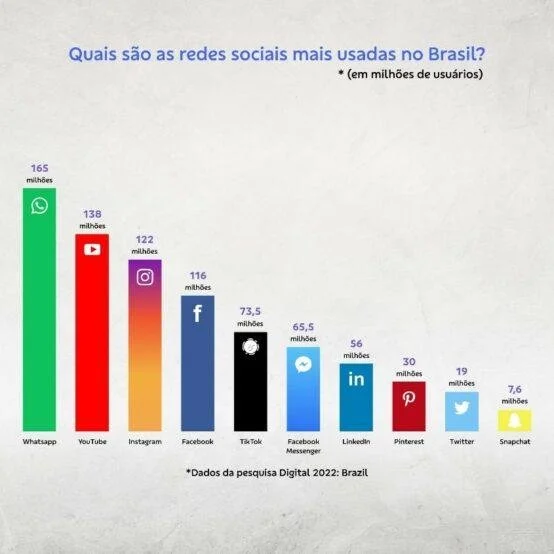
More importantly, Orkut aligned with Brazilian culture. According to the case study, Brazil had one of the world's fastest-growing online markets, and social media users trusted recommendations from online contacts more than traditional advertising sources (Mahoney & Tang, n.d.). Because of this, Orkut became more than a social network—it became a place where people built relationships and discovered products through trusted communities.
This reminds me of something we've discussed throughout this course: social media is most effective when it facilitates community. People are more likely to engage with content when it comes from individuals they know and trust rather than directly from brands.
What Went Wrong?
Another question from the case study asks why Orkut eventually lost users.
The answer seems simple: the platform stopped evolving.
While competitors continued introducing new features, Orkut struggled with functionality issues such as limited photo sharing, friend restrictions, and loading problems (Mahoney & Tang, n.d.). At the same time, consumer expectations were changing.
Brazilian consumers increasingly preferred:
Online video
Social gaming
Mobile-friendly experiences
More interactive content
Unfortunately, Orkut failed to adapt quickly enough.
This directly connects to one of the biggest lessons in social media marketing: audience needs constantly change. A platform that ignores those changes risks becoming irrelevant.
Today, marketers face a similar challenge. What works on social media today may not work next year. Platforms, algorithms, and user behaviors evolve rapidly, which means brands must continuously monitor audience preferences and adapt their strategies accordingly.
The Importance of Cultural Relevance
One aspect of the case that I found particularly interesting was the role culture played in Orkut's rise and fall.
Many companies assume that a successful strategy can be applied everywhere. Orkut proves that assumption is risky.
Brazilian consumers were highly engaged with social media and online shopping, but they also valued rich multimedia experiences and social interaction. When competing platforms began offering stronger video capabilities and more advanced features, users migrated toward those experiences.
This reinforces the idea that successful social media marketing requires more than understanding technology. It requires understanding people.
As marketers, we must ask:
What does our audience value?
How do they consume content?
What motivates them to engage?
The answers to those questions should drive strategy decisions.
What Marketers Can Learn From Orkut
For me, the biggest takeaway from this case study is that innovation cannot stop once a platform becomes successful.
Orkut built strong communities, gained user trust, and established itself as a market leader. However, it eventually lost relevance because it failed to keep pace with changing consumer expectations.
Today's marketers face the same challenge. Whether managing a social media platform or building a brand presence online, success depends on continuously listening to audiences, monitoring trends, and adapting to change.
The platforms that survive are not always the ones that arrive first. They are the ones that continue evolving.
And that may be the most valuable marketing lesson Orkut leaves behind.
Let's Continue the Conversation
Can you think of a current social media platform that risks becoming the next Orkut if it fails to evolve? Share your thoughts in the comments below!
About the Author
Latisha Hunt is a marketing professional, entrepreneur, and graduate student passionate about social media strategy, digital engagement, and building meaningful brand communities.
Mahoney, M. L., & Tang, T. (2024). Social media marketing: A strategic approach (3rd ed.). Cognella Academic Publishing.